Smart Agricultrue

Smart Row-Crop Farming

Smart Planting

Smart Plant Protection

Smart Livestock

Smart Fishery

Including the IoT (Internet of Things), GIS(Geographic Information System) , cloud computing, big data, and AI(artificial intelligence) , we construct the platform of Agricultural BigData Center. Establish a unified agricultural data convergence engine that interconnects multi-system, cross-industry, and full-chain agricultural data. This system aggregates and standardizes agricultural resource data across all domains, enabling unified data transformation, storage, management, advanced analytics, visualization, and intelligent applications. The platform delivers three core values: scientific decision-making support through data-driven insights, precision production management for agricultural enterprises, and high-efficiency information services to propel industry advancement—all with timeliness, accuracy, and operational excellence.
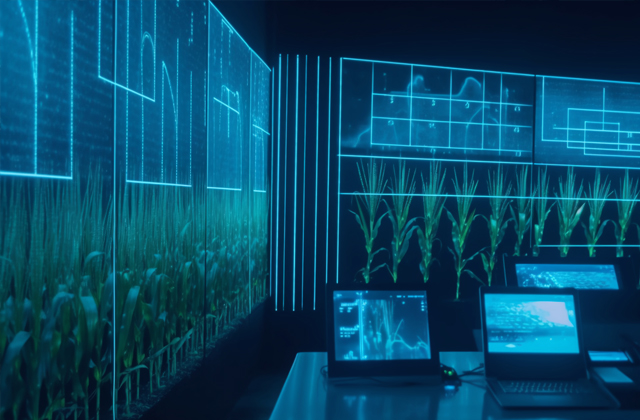
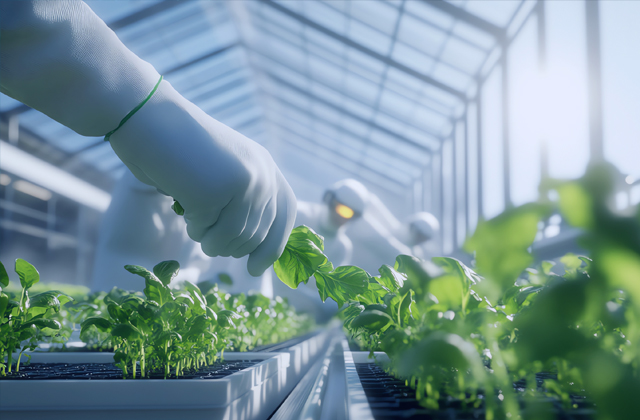
Traditional agricultural management techniques are relatively extensive, and there is often a lot of arbitrariness in fertilization and medication. Overfertilization and excessive medication lead to serious soil pollution and acidification. In the face of the problems in agricultural management, digital means are used to manage, and modern information technology and IoT sensor devices are used for real-time detection and forecasting of meteorological environment, soil moisture, pests and diseases, in order to improve the scientific and information-based management level of agriculture.
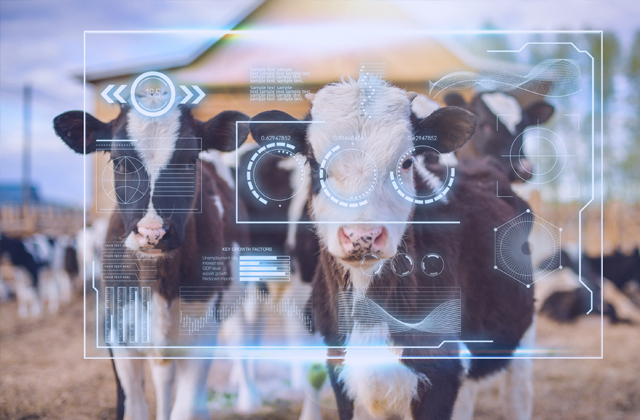
By utilizing IoT technology and focusing on the production and management of facility based ranches, intelligent sensors are used to collect environmental information (such as carbon dioxide, ammonia, hydrogen sulfide, air temperature and humidity) online. At the same time, existing environmental control equipment in the ranch is integrated and renovated to achieve intelligent production and scientific management of the ranch. Farmers can use their mobile phones PDA、 Computers and other information terminals can real-time grasp the environmental information of the breeding plant, timely obtain abnormal alarm information, and remotely control corresponding equipment based on monitoring results, achieving the goal of healthy breeding, energy conservation and consumption reduction.

Smart fisheries meet the development needs of intensive, high-yield, efficient, ecological, and safe aquaculture. Based on IoT technologies such as intelligent sensing, wireless sensor networks, wireless communication, intelligent processing, and intelligent control, it integrates online collection of water quality and environmental parameters, intelligent networking, wireless transmission, intelligent processing, warning information release, decision support, remote automatic control, and other functions. It mainly consists of sensor, transmission, control, and aquaculture management platform.